
"Ethiopian natural process"
1000 article(s) found

The characteristics of Sidama coffee beans in Ethiopia's famous boutique coffee producing area introduce the flavor and taste of Huakui coffee beans.
Professional coffee knowledge exchange more coffee bean information please follow the coffee workshop (Wechat official account cafe_style) the front street introduction of Ethiopian coffee southern Ethiopia has grown a rich and complex Sidamo coffee (or Sidama), rich and distinctive taste. Sidamo

Introduction to the flavor and taste characteristics of Ethiopian coffee manor with moderate acidity and alkalinity
Sidamo Coffee this coffee grows in areas ranging from 1400 to 2200 meters above sea level on the shoulder slopes of the Rift Valley in East Africa. Natural (sun-cured) and washed coffee are of unique quality, moderate pH and good quality. It is estimated that out of 61000 hectares of cultivated area, the average annual production of this coffee is 37000 tons (equivalent to 620000 bags of 60 kg coffee). Harald

The Development of Ethiopian Coffee beans in the course of Coffee Harald Coffee
Harar Harald, a name that reflects the rise and fall of Ethiopia. The Montenegro region of Harald is by far the only place in the world with wild coffee, which is auctioned in London every year. The secret of producing high-quality coffee is that coffee farmers have developed a coffee culture in a suitable environment through repeated learning of the coffee planting process for several generations.

How are Ethiopian coffee beans roasted? What are the recommendations of Ethiopian coffee brands?
Professional coffee knowledge exchange more coffee bean information please follow Coffee Workshop (Wechat official account cafe_style) Ethiopia Natural Yirgacheffe Chelelektu Ethiopian coffee beans Yega Xuefei figure G01 | production area profile unique geographical environment Yirgacheffe is a small town in Ethiopia, 1700-2100 meters above sea level, is

Why are the coffee beans of Yega Xuefei and Sidamo uneven in size, which means that there are many defective beans?
[preface] some time ago, some fans told us that Ethiopian beans are large and small, very uneven, and the defect rate is high. I think maybe we should figure out why the shape of Ethiopian beans is uneven and what is called defective beans. Why are Ethiopian coffee beans always big and small? The coffee beans in Ethiopia seem to be of different sizes

Ethiopian Sidamo tanning treatment of the Lion King
Ethiopia is the country where coffee was first discovered. Today, there is still a lot of wild coffee for farmers to harvest in the primeval forest. Ethiopia is a country with poverty, drought and civil war, but it is still the most important coffee producer in terms of coffee quality and output, and it is also the best and top coffee producer in the past year or two. Ethiopian coffee can be divided into two treatments. Washing place

What's so special about Yega Chuefei Coffee Bean Story how Yega Chuefei bakes
Professional coffee knowledge exchange more information on coffee beans please follow the coffee workshop (Wechat official account cafe_style) these Ethiopian coffee beans are picked by hand, which makes the coffee quality among the best of other coffees. The coffee beans of Yirgacheffe in Ethiopia are processed by wet method and fermented for more than 72 hours after the fruit and pulp are removed by natural enzymes. This process makes

Introduction to the History, Culture and Development of Coffee in Ethiopia
Following Cafe Review (Wechat official account vdailycom) found that the Beautiful Cafe opened a small shop of its own, Ye Jia Xuefei Coffee, which refers to Ye Jia Xuefei Coffee, which is produced in Ethiopia. Yega Xuefei is the name of a local town. It is about 1700-2100 meters above sea level. Now Yejashafi coffee has become synonymous with Ethiopian boutique coffee. History: at first, Yega Xuefei's
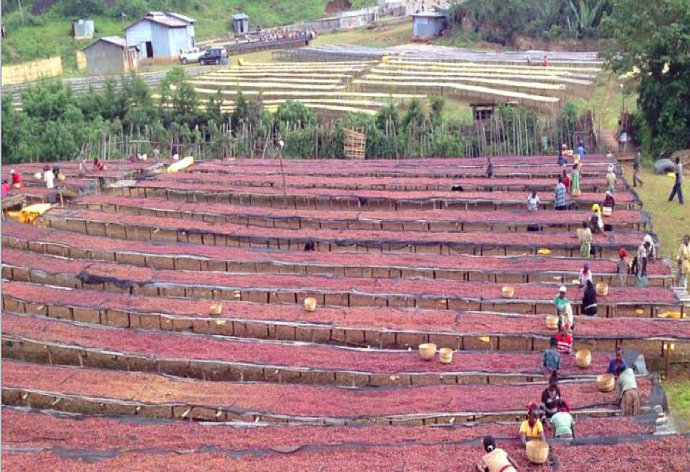
World boutique Coffee Manor: KEFFA region of Ethiopia-an introduction to the birthplace of coffee
The birthplace of Ethiopian KEFFA- coffee reprinted 2015-06-21 13:37:13 label: Ethiopian coffee beans are located in East Africa Ethiopia in ancient Greek means the land inhabited by sun-tanned people. Ethiopia's unique cultural tradition, spectacular scenery, pleasant climate, rich animal and plant resources, important places of interest, hospitality and friendly people
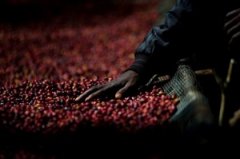
The hometown of African coffee Ethiopian boutique coffee beans
Ethiopia Coffee producing area: the full name of the Federal Democratic Republic of Ethiopia (formerly known as Abyssinia) is a country located in northeast Africa. English name: The Federal Democratic Republic of Ethiopia, Ethiopia is the country of origin and hometown of coffee. The most famous coffee beans in Ethiopia are Yega Xuefei and Harald.

Ethiopian Coffee Bean Cochel producing area Story how much is a cup of Ethiopian coffee washed?
Professional coffee knowledge exchange more coffee bean information please follow the coffee workshop (Wechat official account cafe_style) ETHIOPIA,YIRGACHEFFE,KOCHERE in 1995, Ethiopia redivided the area, we are familiar with Yirgacheffe in the new SNNPR planned in the Gedeo district. Currently, Yega Xuefei is located in the middle of Gedeo, Ko.

Fresh and bright taste Ethiopian coffee plantation flavor Taste characteristics Variety introduction
Ethiopia is the birthplace of the famous Arabica coffee beans, and people have maintained the tradition of harvesting wild coffee beans. The coffee garden with an altitude of more than 1500 meters has formed a unique coffee terroir after more than a thousand years of evolution and adaptation. Ethiopian coffee grown in the natural wild environment is called wilderness coffee and retains the most primitive coffee beans.

Ethiopian Sidamo Lion King Rikuo style Shakiso
In the past, the Ethiopian sun exposure method used to spread wild coffee fruits directly on the mud ground for exposure. This method has two disadvantages: 1. After picking beans without special screening and treatment, uneven appearance and maturity are mixed together, the process is relatively rough, so the quality of coffee beans is unstable and prone to defective beans. two。 Coffee farmers usually live directly.

Ethiopian Coffee | Solar Yega Feiwoka Wuri processing Plant 2018WBC Competition batch
Professional coffee knowledge exchange more coffee bean information please follow the coffee workshop (Wechat official account cafe_style) Ethiopian coffee | individual coffee bean recommendation-tanning red cherries Ethiopian sun Yega Feiwoka Wuri processing Plant WBC Competition batch # 5 Ethiopia Yirgacheffe Natural Worka G1-Berg Championship Series

Ethiopian Coffee Features Ethiopian Coffee Flavor Boutique Coffee
Ethiopian coffee beans grow in a near-natural environment. After years of cultivation under the same growing conditions, Ethiopian coffee beans have gradually adapted to the environment here. More than 60% of coffee beans are forest or semi-forest grown coffee. Coffee farming villages produce about 35 percent of the country's coffee. Many of these are used.

Ethiopia 90 + Candle Mang Coffee beans Flavor characteristics, taste and aroma description of Brazilian Ethiopian coffee
Professional barista exchanges please follow the coffee workshop (Wechat official account cafe_style) LEVEL UP 90 + Candle Kingdom Home: Ethiopia Ethiopia production area: 90+SNNP, Sidama (Sidamo) Haiba: 1750-2000 m treatment: sun treatment Natural Process species: Ethiopian native species Ethiopian Heirloom shallow roasting
World famous Coffee Tour: Harald Moka, Ethiopia (part I)
[product name]: Ethiopia Harald Mocha (Ethiopia Harar Mokha) [quality rating]: DP Grade 4 [baking]: recommended moderate baking (Medium Roast or City Roast) [grade]: excellent [granule]: ★ full [acidity]: ★★★★ slightly sour, dark chocolate aftertaste [balance]: ★★★★ is very stable

Ethiopian coffee is a coffee bean.
Origin: The Federal Democratic Republic of Ethiopia (formerly Abyssinia) is a country located in northeast Africa. The Federal Democratic Republic of Ethiopia, Ethiopia is the country of origin of coffee and the hometown of coffee. The most famous Ethiopian coffee beans are: Yega Shefi, Harald, Sidama Mocha Coffee

Flavor description of Ethiopian Sidamo Coffee Variety introduction to Regional treatment of Manor production
Ethiopian Sidamo Coffee Flavor describes the taste of Ethiopian coffee grown in close to the natural environment, after years of planting under the same growth conditions, Ethiopian coffee beans have gradually adapted to the environment here. More than 60% of coffee beans are grown in forests or semi-forests. Coffee growers on a large scale

Introduction to the flavor and taste characteristics of Ethiopian coffee with unique high-quality coffee
In September 1974, a group of young officers formed the Coordination Committee of the Army, the Police and the Local Army (DERGUE, meaning SHADOW, and later generally referred to as the junta and the Mengistu regime) launched a military coup to overthrow the government of Haile Selassie and announced the end of monarchy and the establishment of an interim junta. In November, the interim military junta was changed to the interim military Administrative Council. In December, interim military administration